
Newberry Library in Chicago
Partial list of titles from Croatian cultural history
By Ivan Runac and Ante Čuvalo
Marko Marulić
De institutione bene beateque uiuendi libri sex, ad normam uitae sanctorum utriusque Testamenti feliciter digesti / [Marulo]. Salingiaci, 1540.
Institutione del buono et beato viuere secondo l’essempio de’ santi del Vecchio e Nuouo Testamento / composta da Marco Marulo da Spalato ; e tradotta dalla latina nella toscana lingua dal r.p.maestro Remigio Fiorentino dell’Ordine de’Predicatori ; di nuouo con diligentia ristampata, e da notabilissimi errori emendata, con l’aggiunta di vna copiosa tauola, oltra quella delle principali materie. In Venetia: Appresso la Minima Compagnia, 1593.
Dictorvm factorvmqve memorabilivm libri sex, siue, De bene beateq́ue viuendi institutione ad normam vitae sanctorum vtriusque testamenti / collecti atque in ordinem digesti. Antverpiae: Excudebat M. Nutius, 1593
Dell’humilta et della gloria di Christo : libri tre / composti da Marco Marulo da Spalato il primo euangelico, il secondo profectico, & il terzo glorioso ; tradotti di Latino in Volgare dal R.P.F. Gioseffo Alchaini, dell’Ordine de’Predicatori, opera diletteuole, & fruttuosa ad ogni fidel Christiano, con due tauole, vna de’capitoli, l’altra delle cose più notabili. In Venetia: Appresso Fiorauante Prati, 1596.
A. Dalmatin & S. Konzul
[Prvi-drugi del Novoga Testamenta …] Der erst[-ander] halb theil des newen Testaments … jetzt züm ersten mal in die crobatische Sprach verdolmetscht, vnd mit glagolischen büchstaben getruckt. [Tübingen (i.e. Urach), 1562-63]
Postila to est Kratko istlmačenie vsih’ nedelskih’ evangeliov’ i poglaviteih’ praznikov skrozi vse leto sada naiprvo hrvatskimi slovi štampana …/ Kurtze ausslegung über die sontags, vnnd der fürnembsten fest Euangelia, durch das gantz jar, jetzt erstlich in crobatischer sprach mit crobatischen büchstaben getruckt. [Tübingen (i.e. Urach), 1562]
Translated by Stipan Konsul. Katehismus/ Der catechismus mit kurtzen ausslegungen symbolum Athanasij, vnnd ein predig von der krafft vnd würckung des rechten christlichen glaubens; in der crobatischen sprach. [Tübingen (i.e. Urach): Ungnad press, 1561]
Govorenje vele prudno odi dobročiněniě oto [?] dobrote propetoga ischa cha kristiěnomi. V Tubingi, 1563. Translation into Croatian by Anton Dalmatin and Stipan Consul of Benedetto, da Mantova: Del beneficio di Jesù Cristo crocifisso verso i cristiani.
Matija Vlačić Ilirik
Breves summae religionis Jesu Christi, & antichristi. [Magdeburg: Michael Lotther], 1550.
Catalogus testium veritatis: qui ante nostram ætatem reclamarunt papæ : opus uaria rerum, hoc præsertim tempore scitu dignissimarum, cognitione refertum, ac lectu cum primis utile atq; necessarium / cum præfatione Mathiæ Flacii Illyrici, qua operis huius & ratio & usus exponitur. Basileae: Per Ioannem Oporinum, 1556.
Catalogus testium veritatis: qui, ante nostram ætatem, Pontificum Romanorum primatui variísque papismi superstitionibus, erroribus, ac impiis fraudibus reclamarunt: noua hac editione emendatior, et prioribus duplo, auctior redditus, ordine digestus, & in libros XX. tributus / studio et cura S.G.S. Accessit Appendix rerum & testimoniorum insignium ab anno 1517. ad annum 1600. Praefatio item, qua operis ratio & vsus exponitur: nec non duplex testium citatorum, & rerum insignium, index. Opus, varia rerum, hoc praesertim tempore, scitu dignissimarum, cognitione refertum, lectu cumprimis vtile atque necessarium: in quo, praeter alia, quamplurimi pervtiles libelli & tractatus, multae etiam historiae producuntur, quarum nonnullae nusquam alibi extant. [Geneva]: In officina Iacobi Stœr, & Iacobi Chouët, M. DCVIII.
Spira, Francesco & Flacius Illyricus, Matthias. Eine erschreckliche Historia von einem [F. Spira] den die Feinde des Euangelij inn welsch Land gezwungen haben, den erkanten Christum zuvorleugnen. Series: [Reformatio pamphlets ; 1549:2]
Luther, Martin, Flacius Illyricus, Matthias, ed. Etliche Brieffe, des Ehrwirdigen Herrn D. Martini Luthers … an die Theologos auff den Reichtag zu Augspurg geschrieben, Anno M.D.XXX. Von der Vereinigung Chirsti [sic] vnd Relials … verdeudscht. Item, etliche andere Schriefften [sic] nutzlich vnd tröstlich zu lesen. Item zwo Schriffte der Theologen zu Wittemberg, eine an die Prediger zu Nürnberg, die ander an den Churf͡u͡rstẽ zu Sachsen, auch von Voreinigung Christi vnd Belial, Anno XL, geschrieben. Item eine Schrifft der Prediger von Hamburg an die Theologen zu Wittemberg. Item sonst etliche̊ Brieff D.M.L. [Magdeburg : Gedruckt bey Christian Rodinger, 1549]
About Illyricus/O Liriku
Perger, Wilhelm. Matthias Flacius Illyricus und seine Zeit / von Wilhelm Preger. Erlangen: T. Bläsing, 1859-1861.
Faust Vrančić
Dictionarium quinque nobilissimarum Europæ linguarum, Latinæ, Italicæ, Germanicæ, Dalmatiæ, & Vulgaricæ. Venetiis: Apud Nicolaum Morettum, 1595.
Bellarmino, Robert Francesco Romolo
Navch charstianschi za slovignschi narod, v vlaasti iazich. Dottrina Christiana per la natione illirica nella propria lingva. [Roma: F. Zanetti, 1582]
Navk karstyanski… Romæ, 1661. (A Croatian translation of his Dottrina cristiana breve.)
Istumacenye Symbola Apostolskoga, to yest, Virrovanya / privisokoga, i priposctovanoga gospodina Gardinala Bellarmina; prineseno ù slovinski yazik po prisvitlomu gospodinu Petrv Gavdencziv .. V Rimu: V pritiscteniczi S. Skupschine …, lito 1662.
Jacobus Ledisma
Naūkʹ karʹstianʹski slozhēnʹ popov̇ʹtovanomū ov̇ū dūmʹ nakobū Lēdēzʹmi ō͡t drūzhʹbē Iezusove izʹtomav̇ēnʹ ū iēzikʹ dubʹrovav̇ʹki: komū prilozhēnē iēsū lē taniē i mnogē drūgē bogolūbʹnē molitʹvē i viērovaniē svētoga Atanazia. [ū Mnet͡sik͡hʹ [Venice]: po Kamilū Zaneti], 1583.
Mavro Orbini
Il regno degli Slaui hoggi corrottamente detti schiauoni / historia di Don Mauro Orbini rauseo, abbate melitense. In Pesaro: Appresso Girolamo Concordia, 1601.
Matija Divković
Nauk krstijanski za narod slovinski: ovi nauk iz djačkoga jezika ispisa, privede i složi u jezik slovinski./Christian doctrine for the Illyrian people; tr. from the Latin into Illyrian … by Matie Divković. Venice 1611.
Markantun de Dominis
Marcvs Antonivs De Dominis, Archiepiscopvs Spalatensis, svae profectionis consilivm exponit. Londini: Apud Ioannem Billivm, anno 1616.
Declaration de Marc Antoine de Dominis, archevesqve de Spalatro, metropolitain des deux royaumes de Croatie, & Dalmatie. Sur les raisons qui l’ont meu à se departir de l’Eglise Romaine. Tournée du Latin de l’autheur, imprimé à Venise le 20. de Septembre 1616.
A manifestation of the motives whereupon the most Reuerend Father, Marcvs Antonivs de Dominis, Archbishop of Spalato (in the territorie of Venice), vndertook his departure thence / Englished out of his Latine copy. At London: Printed by Iohn Bill, 1616.
De republica ecclesiastica libri X / auctore Marco Antonio de Dominis Archiepiscopo Spalatensi, cum suis indicibus. Londini: Ex officina Nortoniana apud Io: Billium, 1617.
Papatvs Romanvs:: liber de origine, progressu, atque extinctione ipsius. Londini: Ex officina Nortoniana, Apud Iohannem Billivm, 1617.
De republica ecclesiastica libri X. Heidelbergae: I. Lacellotti, 1618-22.
Censura Sacrae Facultatis Theologiae Parisiensis in quatuor priores libros De republica ecclesiastica / auctore Marco Antonio De Dominis … Londini, Apud Jo. Bilium typis excuios 1617. Parisiis: Apud Rolinum Thierry, 1618.
The second manifesto, 1623. Series: English recusant literature, v. 128. [Menston, Eng.: Scolar Press, 1973]
About de Dominis
Censure de la Sacré Faculté de theologie de Paris, sur les quatre premiers livres de la République ecclésiastique, dont l’Auteur est Marc-Antoine de Dominis, Archevêque de Spalatro. [Paris, ca. 1618]
Nardius, Balthassar. Balth. Nardii Arretini expunctiones locorum, qui in libro de papatu Romano Ignoti Auctoris deprauantur, mutilantur, & tam falso afferuntur, quam in prima Parte Reipub. M. Antonii de dominis, unde per compendium videntur congesti. Animadversiones itidem ad singula impia illius doctrina capita. Lutetiae Parisiorum: apud Michaelem Sonnium, 1618.
Boverio, Zaccaria. Censura paraenetica in quatuor libros De republica ecclesiastica M. Antonij de Dominis, nuper archiep. Spalaten. nunc verò à S.R.E. apostatae, & haeretici : in duas partes distributa : in quarum prima operis titulus, epistola ad lectorem, praefatio ad episcopos, & libellus, qui Consilium siue profectionis inscribitur, in altera quatuor eiusdem libri De repub. ecclesiastica examinantur, ac iustis censuris castigantur : in vtraque verò innumeri prope ipsius errores, fraudes, & imposturae deteguntur, ac refelluntur, & pontificia potestas ab eiusdem calumnijs vendicatur / auctore R.P. Zacharia Bouerio Salutiensi Ord. Min. S. Francisci Congregationis Capuccinorum. Mediolani: Apud Pandulphu[m] Malatestam impressorem cameralem, 1621.
Floyd, John. Monarchiae ecclesiasticae, ex scriptis M. Antonii de Dominis … Demonstratio, dvobvs libris comprehensa sev respublica ecclesiastica … Avctore, Fideli Annoso Veremento, theologo. Coloniae Agrippinae: Sumptibus B. Gvalteri, 1622.
Neile, Richard: M. Ant. de Dñis, Arch-Bishop of Spalato, his shiftings in religion: a man for many masters … London: Iohn Bill, 1624.
Montagu, Richard. Immediate addresse vnto God alone. First deliuered in a sermon before his maiestie at Windsore. Since reuised and inlarged to a just treatise of invocation of saints. Occasioned by a false imputation of M. Antonivs De Dominis vpon the authour, Richard Movntagv. London: Printed by William Stansby for Matthew Lownes and William Barret, 1624.
Bartol Kašić
Institutionum linguæ Illyricæ libri duo / authore Bartholomæo Cassio Curictensi Societatis Iesu. Edition: Editio prima. Romæ: Apud Aloysium Zannettum, 1604.
Xivot Gospodina nascega Isvkarsta. Vita del Signor nostro Giesv Christo … In Roma, 1638.
Ritvale romanvm Vrbani VIII, Pont. Max. Ivssv editvm illyrica lingva. Translated by Bartuo Kašić. Romae, 1640.
O naslidovanju Isukersta: [knjige četiri Tome iz Kempisa] / [prevod Bartula Kašića]. U Zadru: Bratja Battara tiskari-izdavatelji, 1854.
Šime Budinić
Ispravnin za erei ispovidnici i za pokornik / prenesen nigda sʺ Latinskoga jazika ū Slovinskij po Popū Šimūnū Būdineū; a sada pismenni glagolskimi ispisan i napećašten o Rafailom Levakovićem. Romae: Typis Sac. Congr. de Propag. Fide, 1635.
Ispravnik za erei ali redovnizi ispovidnizi i za pokornici / [Juan de Polanco]. Translated into the Crotian language by Šimun Budina.Venedig: Occhi, 1709.
Rafael Levaković
Breuiarium Romanum Slauonico idiomate: iussu S.D.N. Innocentii PP. XI editum = Časoslovʹ Rimskii slavinskimʹ ězikomʹ : povoleniemʹ S.G.N. Innokentiě Papi 11 vilanʹ. Romae: Typis, & impensis Sac. Cong. de Propag. Fide, 1688.
Jakov Mikalja
Blago jezika slovinskoga illi slovnik …: Thesaurus linguae Illyricae sive dictionarium Illyricum / In quo verba Illyrica Italice, et Latine redduntur. Loretto : P. & J.B. Seraphinus, 1649[-51]
Grammatika talianska u kratho, illi Kratak nauk za naucitti latinski jezik. Koga zlovinski upísa otac Jacov Mikaglja …U Loretv: Po P. i I.B. Serafiau, 1649.
Ivan Garličić
Puut nebeski ukazan csoviku od Bogapò Svetoj Czarqui; Navk karstjanski … Venetiis, 1707.
Ivan Belostenec
Admodum reverendi patris Joannis Bėllosztėnëcz: e sacra d. Pauli primi eremitae religione Gazophylacium seu latino-illyricorum onomatum aerarium, selectoribus synonimis, phraseologiis, verborum constructionibus, metaphoris, adagiis, abundantissime locupletatum item plurimis authorum in hoc opere adductorum sententiis idiomate illyrico delicatis illustratum. Zagrebiae: Joannis Baptistae Weitz, 1740.
Andrija Jambrešić
Lexicon Latinum interpretatione Illyrica, Germanica, et Hungarica locuples. Zagrabiae: W. Wesseli, 1742.
Jeronim Megiser
Dictionarium quatuor linguarum; videlicet germanicæ, latinæ, illyricæ (quæ vulgo sclavonica appellatur) & italicæ … Auctore Hieronymo Megisero impressum anno 1592 … nunc vero … opera & studio a.a. r.r. p.p. Societ. Jesu collegii clagenfurtensis correctum & auctum. Clagenfurti: J.F. Kleinmayr, 1744.
Lovro Šitović Ljubušak
Grammatica Latino-Illyrica ex Emmanuelis; aliorumque approbatorum grammaticorum libris, juventuti Illyricae studiosè accommodata. / A patre F. Laurentio de Gliubushi. Venetiis: Apud Bartholomeum Occhium, 1742.
Tomo Babić
Prima grammaticae institutio pro Tyronibus Illyricis accomodata. Edition: In hac secunda impressione clarior & difusior. Venetiis: J. Corona, 1745.
Ardelio Della Bella
Dizionario italiano, latino, illirico: cui si permettono alcuni avvertimenti per iscrivere, e con facilità maggiore leggere le voci illiriche, scritte con caratteri italiani : ed anche una breve grammatica per apprendere con proprietà la lingua illirica : con in fine l’indice latino-italicus / opera del P. Ardelio Della Bella … In Venezia: Presso Cristoforo Zanne …, 1728.
Dizionario italiano-latino-illirico : a cui si premettono alcune brevi instruzioni gramaticali, necessarie per apprendere la lingua e l’ortografia illirica / opera del padre Ardelio Della Bella della Compagnia di Gesù. Edition: Prima ed.ragusea, ricorreta nell’ortografia illirica ed italiana, e da moltissimi altri errori emendata … Ragusa: Nella stamperia privilegiata, 1785.
Principi elementari della grammatica illirica premessi al Dizionario italiano-latino-illirico del P. Ardel. Della-Bella …Nuova edizione. Ragusa, 1837.
Razgovori i pripovidagna oza Ardelia della Bella / data na svitlost od Mattia Ciulichia/Matija Čulić. U Mletci: Po Adolfu Cesare, [1805]
Ivan Lučić
De regno Dalmatiae et Croatiae libri sex, recogniti et emendati a Ioanne Georgio Schwandtnero … In: In Scriptores rervm hyngarivarvm veteres … Cvra et stvdio Ioannis Georgii Schwandtneri … [Vindobonae] 1746-48.
Karaman, Matej
Būkvarʹ slavenskīĭ: pismenȳ prepodobnago Kẏrilla slavęnomʺ episkopa napechatanʺ. V Rimě: Tẏpomʺ Svętago sobora ot razmnozhenīę věrȳ, 1753.
Sabastijan Slade/Dolci
De illyricæ linguæ vetustate et amplitudine dissertatio historico – chronologico – critica / auctore F. Sebastiano Dolci a Ragusio. Venetiis: Apud Franciscum Storti, 1754
Epistola Hieronymi Francisci Zanettii in Dissertationem de linguæ illyricæ vetustate, et amplitudine confutata : perpetuis animadversionibus in ejusdem Zanettii disquisitionem de caussis sero corruptæ eloquentiæ apud veteres jureconsultos, seriusque apud recentiores restitutæ. / auctore P.F. Sebastiano Dolci a Ragusio. Ferrariæ: Typis Joseph Rinaldi, 1754.
Ivan Garličić
Puut nebeski ukazan csoviku od Bogapò Svetoj Czarqui; Navk karstjanski … Venetiis, 1707.
George Wheler
Voyage de Dalmatie, de Grece, et du Levant. Tr. de l’anglois. La Haye: R. Alberto, 1723.
Ignjat Đorđević
Vulgatae psalmorum editionis in locis obscurioribus aliarum versionum, ac interpretationum claritate interpolatae, Illyrica metaphrasis, sive Saltjer slovinki. Spjevan po D. Ignaziu Gjorgi opatu melitenskomu. Venetiis: Apud Christoforum Zane, 1729.
Matija Karaman, editor
Missale romanum slavonico idiomate, jussu SS.D.N. Papæ Urbani Octavi editum. Romæ, 1741.
Johann George von Schwandner
Regvm Dalmatiae et Croatiae gesta, In: Scriptores rervm hvngaricarvm veteres. Cvra et stvdio Ioannis Georgii Schwandtneri. [Vindobonae] 1746-48.
Ivan Petar Gocinić, editor
Breviarium romanum slavonico idiomate. Romæ, 1791.
Antun, Juranić
Officia sanctorum slavonico idiomate recitanda de præcepto ex indulto apostolico in aliquibus locis/Čini svetyh’ slovenskim ezykom glagolemyi pod’ zapovediju izvodeniem’ v’ nekih’ mesteh. Romæ, 1791.
Inocencijo Grgić
Nauk kærstjanski obilan slovìnskomu nàrodu odkriven … U’cettiri djela rasdjegljen … Pò Ozu Frà Innocenziu Gàrghichju. U’ Mlezjeh, 1750.
Matija Petar Katančić
De columna milliaria Romana ad Eszecum reperta, quam Petrus Katanchich Pannonius, in archigymn. Zagreb. schol. hum. prof. p. o., conscripsit. Edition: 2. editio. Zagrabiae: Typ. Episcop, 1794.
Specimen philologiae et geographiae Pannoniorum in quo de origine lingua et literatura Croatorum simul de Sisciae, Andautonii, Neuioduni, Poetouinis, urbium in Pannonia olim celebrium et his interiectarum via militari mansionum situ disseritur. Zagrabiae, 1797.
Sveto pismo. Sada u jezik slavnoillyricski izgovora bosanskog’ prinesheno. U Budimu, 1831.
Joakim Stulić
Joachimi Stulli … Lexicon latino-italico-illyricum ditissimum, ac locupletissimum, in quo adferuntur usitatiores, elegantiores, difficiliores earundem linguarum phrases, loquendi formulæ, ac proverbia [pars I]. Budæ: typis, ac sumptibus typographiæ Regiæ universitatis pestanæ, 1801
Joakima Stulli Dubroscanina…rejecsoslòxje ukomu donosuse upotrebljenia, urednia, mucsnia istieh jezika krasnoslovja nacsini izgovaranja i prorjecsja : Illir. Ital. Lat. Csast druga.- Dubrovnik: Antun Martekin, 1806. / Vol. 2 has half-title only. This is the second part of his Lexicon. The first part is … Lexicon latino-italico-illyricum … Budæ, 1801. 2 v. in 1. (Bon. 13300) The third part, Vocabulario italiano-illirico-latino … Ragusa, 1810. 2 v. in 1. (Bon. 13302) Vol. 2 has title: Rjecsoslòxje slovinsko-italiansko-latinsko.
Vocabolario italiano-illirico-latino del P. Gioacchino Stulli Raguseo de’ minori osservanti, diviso in due tomi, nei quali si contengono le frasi più usitate, più difficili, e più eleganti, i modi di dire, i proverbj ec. di tutte tre le lingue : Parte terza. Ragusa : Presso Antonio Martecchini, 1810. / Vol. 2 has half-title only. This is the third part of his Lexicon. The first part is … Lexicon latino-italico-illyricum … Budæ, 1801. 2 v. in 1. (Bon. 13300) The second part, … Rjecsoslòxje … illir.-ital.-lat. … U Dubrovniku, 1806. 2 v. in 1. (Bon. 13301)
Josip Voltić
Ricsoslovnik (vocabolario-woerterbuch) illiricskoga italianskoga i nimacskoga: jezika s’jednom pridpostavljenom grammatikom illi pismenstvom / sve ovo sabrano i sloxeno od Jose Voltiggi. U. Becsu (Vienna) : U Pritesctenici Kurtzbecka, [1803]
Jakab Ferdinand Miller
Fragmenta veteris typographiae Magno-Varadinensis / collecta a Jacob. Ferdin. de Miller. Pestini: Apud Iosephum Eggenberger, bibliop, 1803.
Bellinić, Nikola
Pervi kratki nauk grammatike italianske za malu deçu. Primo breve insegnamento della grammatica italiana per la gioventu, che brama imparare l’italiano mediante il linguaggio croato, come si parla volgarmente per il littorale ungarico, ed istriano, traduzione per la prima volta fatta da Niccolò Bellinich. Trieste: G. Weis, dc 1808.
Petar Stanković
Biografia degli uomini distinti dell’Istria. Trieste: Presso G. Marenigh tipografo, 1828-29.
Rudolph Alois Fröhlich/Veselić
Theoretisch-praktische Grammatik der ilirischen Sprache : Mit vielen Gesprächen, Uebungstücken zum Uebersetzen und einem Wörterverzeichnisse / von R.A. Fröhlich. Wien: Albert A. Wenedikt, 1850.
Handwörterbuch der ilirischen und deutschen Sprache. Verfasst von Rud. A. Fröhlich … Wien : A.A. Wenedikt, 1853-1854. Other Title: Added t.-p.: Rěčnik ilirskoga i němačkoga jezika, sastavio ga Rud. V. Veselić … Notes: Title of v. 2 reads: Handwörterbuch der deutschen und ilirischen sprache. Each volume has added t.-p. in the Croatian language, with the author’s name appearing as “Rud. V. Veselić.”
Ivan Trnski/translator
Kraljodvorski rukopis / preveo iz staro-českogo jezika Ivan Trnski. U Zagrebu: Narodna tiskarnica Ljudevita Gaja, 1854.
Ivan Berčić
Bukvar staroslovenskoga jezika glagolskimi pismeni za čitanje crkvenih knjig: sastavio svećenik Ivan Berčić. U zlatnom Pragu: Tisk sinov B. Haase, 1860.
Čitanka staroslovenskoga jezika. Složio svećenik Ivan Berčić. U zlatnom Pragu: Tiskom sinovah B. Haase, 1864.
Ivan Jurašić
Dizionario italiano-illirico. Edition: 1. ed. Trieste: Coi Tipi del Lloyd Austriaco, 1863.
Frannjo Marija Appendini
Notizie istorico-critiche sulle antichità storia e letteratura de’Ragusei. Divise in due tomi e dedicate all’Eccelso Senato della repubblica di Ragusa. Ragusa: Dalle stampe di Antonio Martecchini, 1802-1803.
De praestantia et vetustate linguae illyricae ejusque necessitate ad plurimarum gentium populorumque origines et antiquitates investigandas dissertatio. Ragusii: apud A. Martechini, 1806.
Grammatica della lingua illirica … Ragusa, 1808.
Grammatica della lingua illirica / compilata dal padre Francesco M.ria Appendini. Edition: 2. ed. Ragusa: Presso A. Martecchini, 1828.
Grammatica della lingua illirica. Edition: 3. ed. Ragusa, 1838.
Vjekoslav Babukić
Osnova slovnice slavjanske narěčja ilirskoga. U Zagrebu : Kod M. Hiršfelda [predislovje, 1836]
Věkoslav Babukić’s Grundzüge der ilirischen grammatik, durchaus mit der neuen orthographie. Mit einer sprachvergleichenden vorrede von Rudolph Fröhlich. Wien: J. Benedikt, 1839.
Elementi della grammatica illirica; secondo la nuova ortografia di Viekoslavo Babukić. Con una prefazione filologica di Rodolfo Frölich. Traduzione di G.A.K. Zara, 1846.
Elementi della grammatica illirica / secondo la nuova ortografia di Viekoslavo Babukić. Con una prefazione filologica di Rodolfo Frölich. Traduzione di G.A.K. Edition: 2. ed. Zara, 1851.
Ilirska slovnica / sastavi Věkoslav Babukić. U Zagrebu: Bèrzotiskom nar. tiskarnice L. Gaja, 1854.
Elementi della grammatica illirica seconde nuova ortografia di — con una prefazione logica di Rodolfo Frölich. Traduzione di G.M.K. Edition: 3. ediz. Zara: Fratelli Battara, 1860.
Andrija Stazić
Gramatica della lingua illirica ad uso degli amatori nazionali e stranieri che bramano d’ impararla; compilata giusta il più pretto favellare e sui migliori classici antichi da Andrea Stazić. Zara: Fratelli Battara, 1850.
Grammatica illirica pratica, secundo il metodo di Ahn e di Ollendorff … Trieste, 1861.
Jerko Šutina
Vocaboli di prima necessità e dialoghi famigliari originali illirici con versione italiana scritti a caratteri latini e serviani, aggiuntovi un compendio di grammatica illirica …Zara, 1850.
Josip Drobnić
Ilirsko-němačko-talianski mali rěčnik. Sa osnovom gramatike ilirske, protumačenom němački i talianski od Věkoslava Babukića. Beč: Tiskom Jermenskoga manastira, 1846-49.
Matija Majar Ziljski
Uzajemni pravopis slavjanski: to je, Uzajemna slovnica ali mluvnica slavjanska / spisal i na světlo izdal Matija Majar Ziljski. V zlatnom Pragu: In Commission von I.L. Kober, 1865.
Andrija Kačić Miošić
Razgovor ugodni naroda slovinskoga izvagen iz razliçitì kgnigà i sloxen u jezik slovinski po fra And. Kaçichiu-Miossichiu iz Briste. U Dubrovniku: P.F. Martecchini, 1839.
Razgovor ugodni naroda slovinskoga. Edition: 2. izdavanje ove tiskarne. U Zadru: Brtja Battara, 1851.
Robert Muro
Rambles and studies in Bosnia-Herzegovina and Dalmatia: with an account of the proceedings of the Congress of Archæologists and Anthropologists held in Sarajevo, August 1894. Edinburgh; London: W. Blackwood, 1895.
Giuseppe Valentinelli
Specimen bibliographicum de Dalmatia et agro Labeatium auctore Josepho Valentinelli pro praefecto bibliothecae S. Marci Venetiarum. Venetiis: Typis Caecinianis et soc., 1842.
Ivan Krstitelj Tkalčić
Monumenta Ragusina. [Edidit Academia Scientiarum et Artium Slavorum Meridionalium. Collegerunt et digesserunt Joannes Tkalčić, Petrus Budmani et Josephine Gelcich]. Series: Monumenta spectantia historiam Slavorum meridionalium, v. 10, 13, 27-29. Zagrabiae: Sumptibus Academiae Scientiarum et Artium, 1879.
Jerko Šutina
Zabavno štivenje u hervatskom jeziku za mladež dalmatinsku. U Zadru, 1851.
Various/Razno
Samuel Champlain
Les voyages de la Novvelle France occidentale, dite Canada: faits par le Sr de Champlain Xainctongeois, capitaine pour le roy en la marine du ponant, & toutes les descouuertes qu’il a faites en ce païs depuis l’an 1603. iusques en l’an 1629.: où se voit comme ce pays a esté premierement descouuert par les François, souz l’authorité de nos Roys tres-Chrestiens, iusques au regne de sa Majesté à present regnante Lovis XIII. roy de France & de Nauarre : auec vn traicté des qualitez & conditions requises à vn bon & parfait nauigateur pour cognoistre la diuersité des estimes qui se font en la nauigation : les marques & enseignemens que la prouidence de Dieu a mises dans les mers pour redresser les mariniers en leur routte, sans lesquelles ils tomberoiet en de grands dangers : et la maniere de bien dresser cartes marines. Paris: Collet, 1632.
Simpliciano Bizozeri
Notizia particolare dello stato passato, e presente de’ Regni d’Vngheria, Croazia, e Principato di Transilvania, : cio è descrizione di tutti i comitati, città, fortezze, e luoghi più insigni de’medesimi, loro sito, qualità, ricchezze, e genio della nazione, fatti d’arme, assedij, prese, e riprese della piazze.: Et azioni più memorabili de’ regnanti, e generali, che hanno comandato, ò militato nelli stessi. / Opera di d. Sempliciano Bizozeri; Adornata di 46. figure in rame della città più cospicue, e ritratti de’ principali comandanti. Bologna: Per Gioseffo Longhi, 1687.
Die freiwillige Theilnahme der Serben und Kroaten an den vier letzten österreichisch-türkischen Kriegen / dargethan in einer Sammlung gleichzeitiger geschichtlicher Urkunden. Wien: Druck von Keck & Pierer, 1854. Compiled by F. Berlic
Erhard Reusch
Alter und neuer Staat des Königreichs Dalmatien: welcher alle und jede historische Merkwürdigkeiten von den ältesten Zeiten an begreifet absonderlich diejenigen so sich in dem Candischen und letzten Kriege dann nach dem Carlowitzischen Frieden bis auf das Jahr 1717 zugetragen ..zu Ende sind I. Lucii Inscriptiones Dalmaticae …Nürnberg: Bey Peter Conrad Monath, 1718.
Nicolas Sanson
Coste de Dalmacie [cartographic material]: ou sont remarquees les places qui appartiennent a la Republque. de Venise, a la Republque. de Raguse, et au Grand Seignr. des Turqs : tirée de divers autheurs / par le Sr. Sanson d’Abbev., geogr. ordre. de Sa Majté. In: Atlas général –[Paris? : s.n., 1798?] –[ptie 2][plate 21]
Illyricum occidentis [cartographic material]: cuj? partes IV. Rhaetia, Noricum, Pannonia, et Illyris: provinciae IX. Rhaetia, Vindelicia, Noricum Mediteraneum et Ripse., Pannonia prima et secunda, Savia, et Valeria: et in Illyride populi Iapodes, Liburni, et Dalmatae / autore N. Sanson, Christianiss. Galliar. regis geographo. In: Atlas général –[Paris? : s.n., 1798?] –[ptie 2][plate 69]
Monumenta spectantia historiam slavorum meridionalium. [Zagrabiae]: Academia Scientiarum et Artium Slavorum Meridionalium [etc.]. Publication History: v. 1- 1868-
Johann Andreas Demian
Statistische Beschreibung der Militär-Gränze. Wien: C.G. Kaulfuss, 1806-07.
Ivan Kukuljević Sakcinski.
Bibliografia hrvatska. Dio prvi. Tiskane knijige. Series: Bibliografia jugoslavenska. kn. 1. U Zagrebu: Brzotiskom, D. Albrecta, 1860.
Franjo Rački
Documenta historiae Chroaticae periodum antiquam illustrantia. Monumenta spectantia historiam Slavorum meridionalium, v. 7. Zagrabiae: Sumptibus Academiae Scientiarum et Artium, 1877.
Memoria sive series archiepiscoporvm salonitanae et spalatinae ecclesiae. In: Scriptores rervm hvngaricarvm veteres. –[Vindobonae] impensis I. P. Kravs, 1746-48.
Paulus de Paulo
Memoriale Pavli de Pavlo. In: Scriptores rervm hvngaricarvm veteres. Cvra et stvdio Ioannis Georgii Schwandtneri. [Vindobonae] 1748, p. 723-754.
Bosnia, Hercegovina e Croazia-Turca, notizie riunite e tradotte da G. Augusto Kaznačić. Zara, 1862. Physical Description: [1 v.] Subject (LCSH): Bosnia and Hercegovina. Herzegovina. Croatia. Other Name: Kaznac̆ić, Ivan, 1758-1850, ed. & tr. Hilferding, Aleksandr Feodorovich, 1831-1872. Bosnia. Jukić, Ivan Frano, 1818-1857. Hercegovina. Jukić, Ivan Frano, 1818-1857. Croazia-Turca. Notes: “Bosnia” is a translation from the Russian of Aleksandr Hilferding, of an article originally published in Russkaia Besieda. “Hercegovina” and “Croazia-Turca” are by Ivan Jukić: the former originally appeared in Servian in Sérbsko-Dalmatinski magazin; the latter is a revised edition of the original article which appeared in L’Avvenire in 1848.
Čaplović, Jan
Slavonien und zum Theil Croatien; ein Beitrag zur Völker- und Länderkunde, theils aus eigener Ansicht und Erfahrung, 1809-1812, theils auch aus späteren zuverlässigen Mittheilungen der Insassen. Pesth: Hartleben, 1819.
George Andrew Spottiswoode
A tour in civil and military Croatia, and part of Hungary. In: Galton, Francis, ed. Vacation tourists and notes of travel in 1860. London, 1861.
A. A. Paton
Highlands and islands of the Adriatic, including Dalmatia, Croatia, and the southern provinces of the Austrian empire. By A.A. Paton. London: Chapman and Hall, 1849.
Jean Victoire
Travels in upper and lower Hungary, Transylvania, Sclavonia, Croatia, and Morlachia. By Jean Victoire Dutens, engineer, in 1806. In: Pelham, Cavendish. The world: or, The present state of the universe. –London, J. Stratford, 1808-10. –vol. ii.
Johann R. Vogl
Volksmährchen. Wien, 1837. (Folk literature – Croatia)
John Gardner Wilkinson
Dalmatia and Montenegro: with a journey to Mostar in Herzegovina, and remarks on the Slavonic nations; the history of Dalmatia and Ragusa; the Uscocs; [etc.] By Sir J. Gardner Wilkinson. London: J. Murray, 1848.
Thomas Graham Jackson
Dalmatia, the Quarnero and Istria, with Cettigne in Montenegro and the island of Grado, by T.G. Jackson. Oxford: Clarendon Press, 1887.
Snaffle
In the land of the bora; or, Camp life and sport in Dalmatia and the Herzegovina 1894-5-6. By “Snaffle” [pseud.] author of “Gun, rifle, and hound,” etc. Illustrated by Harry Dixon from sketches by the author. London : K. Paul, Trench, Trübner & Co., 1897.
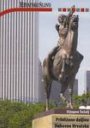 Predstavljanje knjige u Čapljini, 14. travnja i Opuzenu, 15. travnja 2010.
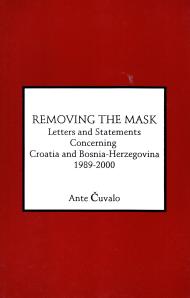 The letters and stat
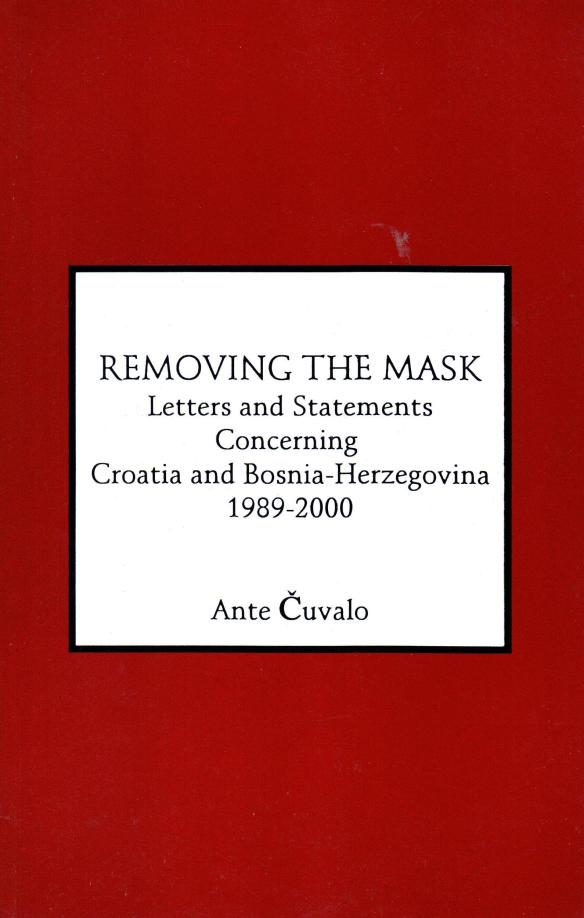 This book consists of a collection of letters and political memoranda which Ante Čuvalo wrote over more than a decade in connection with events in Croatia and Bosnia-Herzegovina. Čuvalo is easily one of the most active Croatian-American academics, and this anthology highlights his remarkable energy and ability to apply his scholarly skills to the practical arena of policy. Beginning with a salvo in reply to an article by Serb intellectual Momčilo Selić in 1989, Čuvalo wrote letters to newspapers and magazines in response to news reports or opinion pieces which he felt presented misleading or downright biased positions. In doing so, Čuvalo crossed words with such personages a David Binder, Srdja Trifković, Bogdan Denitch, Robert Hayden, and Helen Delich Bentley. Many of his letters were published in such newspapers as The New York Times, The Chicago Tribune, The International Herald Tribune, and the Cleveland Plain Dealer. Even those of his letters to the press which were not published often elicited responses from the editors (which are also published here), and his efforts probably had at least some effect in changing how the news was covered.
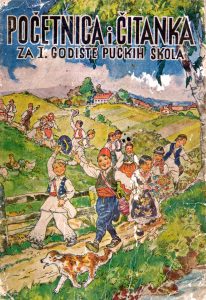 Ova početnica
 Ova početnica
 Pri prvom pogledu
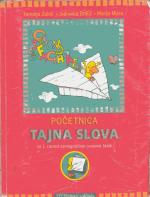
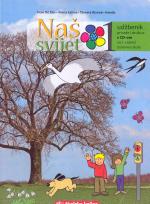 karta Republike Hrvatske „obučena“ u crveno-bijele kockice. Tu je i velikm slovima ime „Hrvatska“ i rečenica „Hrvatska je moja domovina“. (str. 54.) Kod učenja pisanog slova „N“ uvrštena je pjesma „Naš put“ koja na dva mjesta spominje „Lijepu našu.“ Nadat se je da učitelji ipak tumače djeci o kojoj se zemlji radi.
  Udžbenici kojima se služ
 oprezni da ih se ne okrivi za razbijanje države (jer takvima su oduvijek bili!). Ta se opreznost i samozataja očituje i u ovim početnicama. Tako se sramežljivo provukla riječ „Hrvat“ u
 that a summary of these significant events would be useful to the reader unfamiliar with the history of our region.
  Ante Čuvalo